Digital banking is no longer just an alternative to traditional banking — it is becoming the foundation of the entire financial system.

What started as simple online banking has rapidly evolved into a highly connected, AI-driven financial ecosystem where users can manage money, invest, transfer funds globally, monitor spending, and even receive automated financial advice directly from their smartphones.

In 2026, the banking industry is changing faster than ever before.

Traditional banks are transforming into technology companies. Fintech startups are competing aggressively with established institutions. Artificial intelligence is reshaping customer experiences, and digital-only banks are attracting millions of users worldwide.

For consumers and businesses, these changes bring major opportunities:

  • Faster transactions
  • Lower banking costs
  • Smarter financial tools
  • Better security
  • Personalized financial services
  • Real-time money management

But digital banking also introduces new challenges, including cybersecurity risks, data privacy concerns, and increased dependence on technology.

This complete guide explores the biggest digital banking trends shaping 2026, how these innovations work, and what they mean for the future of finance.

Whether you are a consumer, investor, freelancer, business owner, or fintech enthusiast, understanding these trends will help you prepare for the next generation of banking.


What Is Digital Banking?

Digital banking refers to financial services delivered through digital platforms instead of traditional physical bank branches.

It allows users to access banking services using:

  • Mobile apps
  • Websites
  • Digital wallets
  • Fintech platforms
  • AI-powered systems

Digital banking includes services such as:

  • Online banking
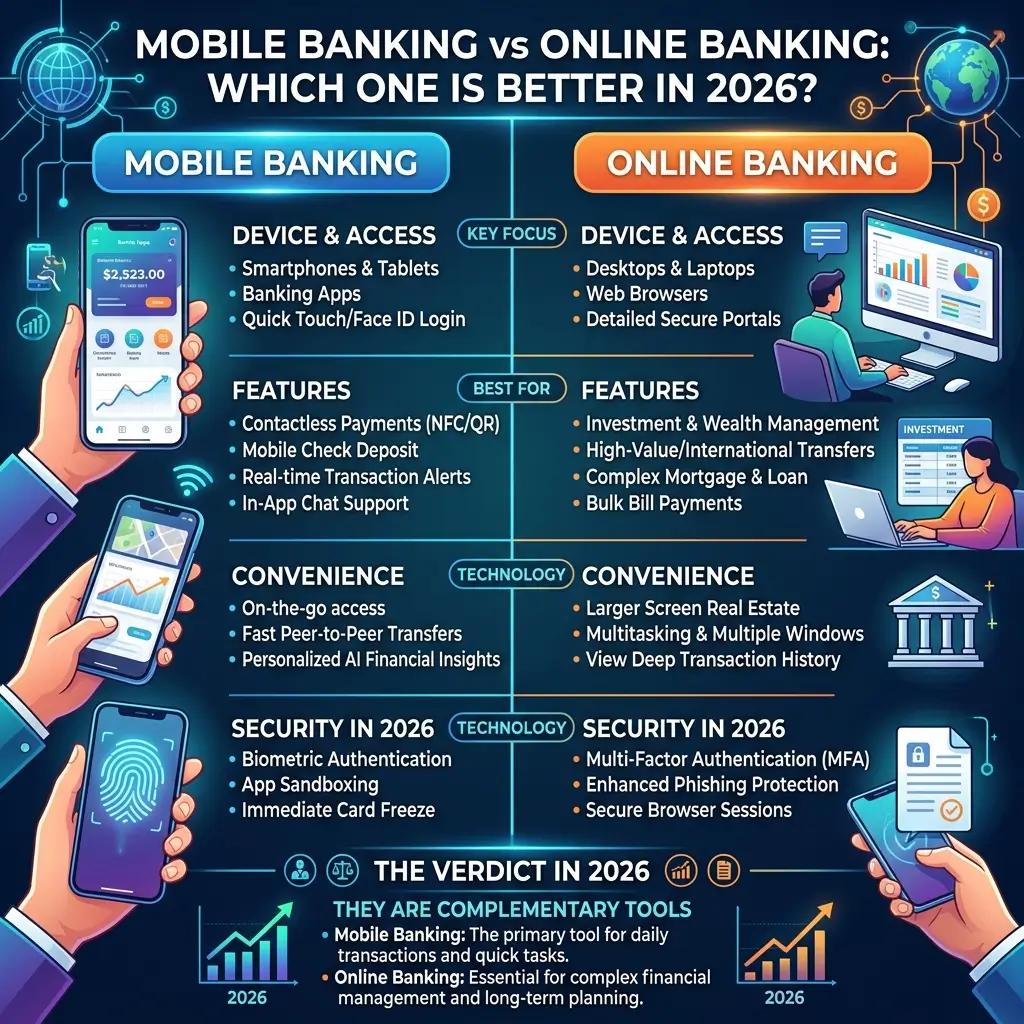
  • Mobile banking
  • Neobanks
  • Contactless payments
  • Digital lending
  • Online investments
  • Automated savings tools
  • Virtual financial management

The goal of digital banking is to make financial services faster, easier, and more accessible.


Why Digital Banking Is Growing So Fast

Digital banking adoption has accelerated globally for several reasons.


1. Smartphone Usage Has Exploded

Billions of people now use smartphones daily.

Modern banking apps allow users to:

  • Transfer money instantly
  • Pay bills
  • Track spending
  • Invest online
  • Apply for loans
  • Open accounts remotely

Mobile-first banking has become the standard.


2. Consumers Want Faster Financial Services

People no longer want to wait in long bank queues or deal with slow manual processes.

Users expect:

  • Instant transfers
  • Fast approvals
  • 24/7 access
  • Real-time updates

Digital banking satisfies these expectations.


3. Global Internet Access Has Improved

More people worldwide now have reliable internet access.

This allows financial services to reach users in areas previously underserved by traditional banks.


4. Fintech Innovation Is Reshaping Finance

Fintech companies are introducing faster and more user-friendly solutions than many traditional banks.

This competition pushes the entire industry toward innovation.


5. Customers Prefer Convenience

Modern consumers prioritize convenience and speed.

Digital banking allows users to manage finances from anywhere without visiting a branch.


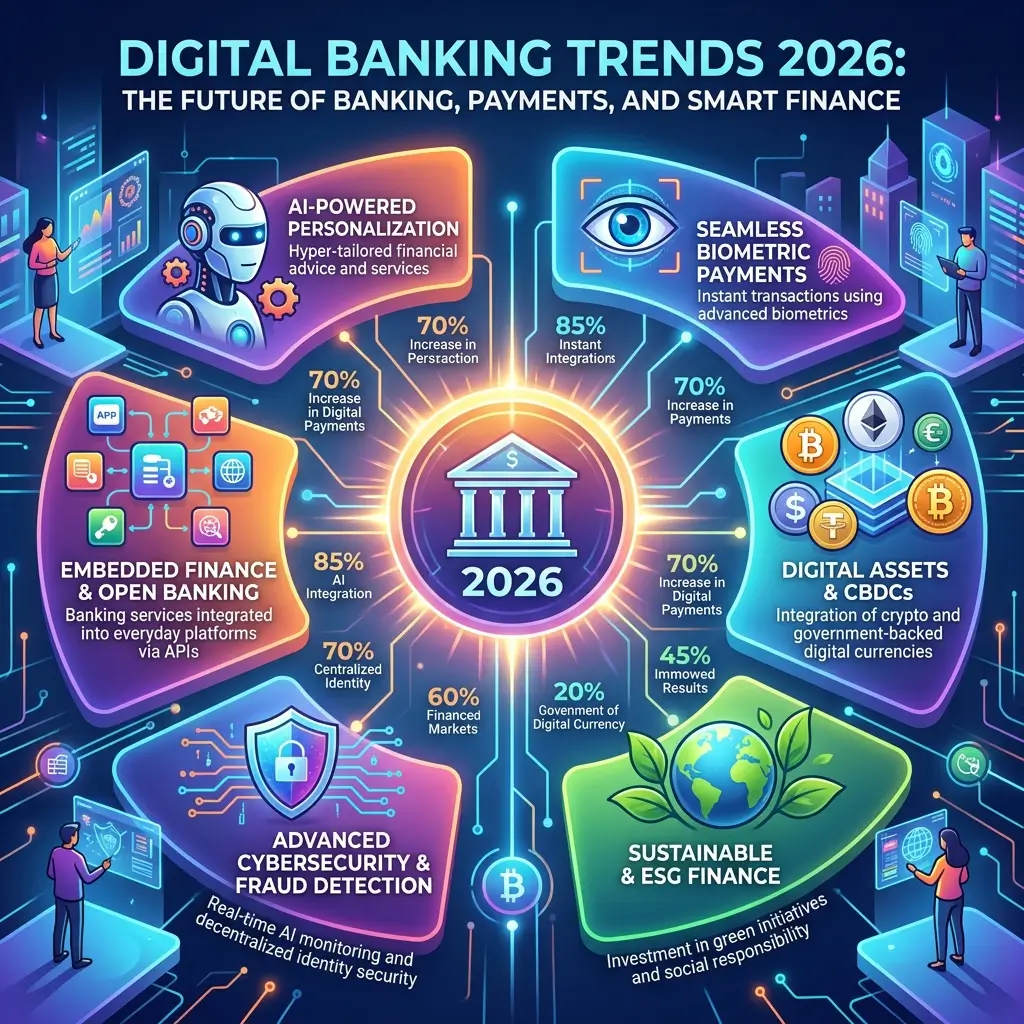
Top Digital Banking Trends in 2026

Several major trends are shaping the future of finance this year.


1. AI-Powered Banking Systems

Artificial intelligence has become one of the most important technologies in modern banking.

Banks now use AI to improve:

  • Fraud detection
  • Customer support
  • Financial planning
  • Spending analysis
  • Risk management

AI systems analyze huge amounts of financial data in real time.


How AI Banking Works

AI-powered banking systems can:

  • Detect suspicious transactions instantly
  • Predict customer spending behavior
  • Recommend savings strategies
  • Provide automated financial advice
  • Improve investment recommendations

Example

A banking app may notify you:

👉 “You spent 20% more on dining this month compared to your average.”

Or:

👉 “Based on your income pattern, you could save $300 this month.”

AI makes banking more personalized and intelligent.


2. Fully Automated Personal Finance Management

Banks are increasingly automating money management tools.

Modern banking apps now include:

  • Auto-budgeting
  • Smart savings
  • Automated bill payments
  • Subscription tracking
  • Spending categorization

Users no longer need to manually organize finances.

Automation reduces financial stress and improves money management.


3. Rise of Neobanks

Neobanks are digital-only banks that operate without physical branches.

These banks are growing rapidly in 2026.


Why Neobanks Are Popular

Neobanks often provide:

  • Faster account opening
  • Lower fees
  • Better mobile apps
  • Real-time notifications
  • Simpler user experience

They are especially attractive to:

  • Freelancers
  • Students
  • Remote workers
  • Digital nomads
  • Tech-savvy users

Many younger consumers now prefer neobanks over traditional institutions.


4. Instant Global Payments

Cross-border banking has improved significantly.

International transfers that once took days can now happen almost instantly.


Key Improvements

Modern systems now offer:

  • Real-time transfers
  • Multi-currency accounts
  • Lower transfer fees
  • Faster settlement systems

This is extremely valuable for:

  • Remote workers
  • Freelancers
  • International businesses
  • Global ecommerce sellers

Global banking is becoming more connected and accessible.


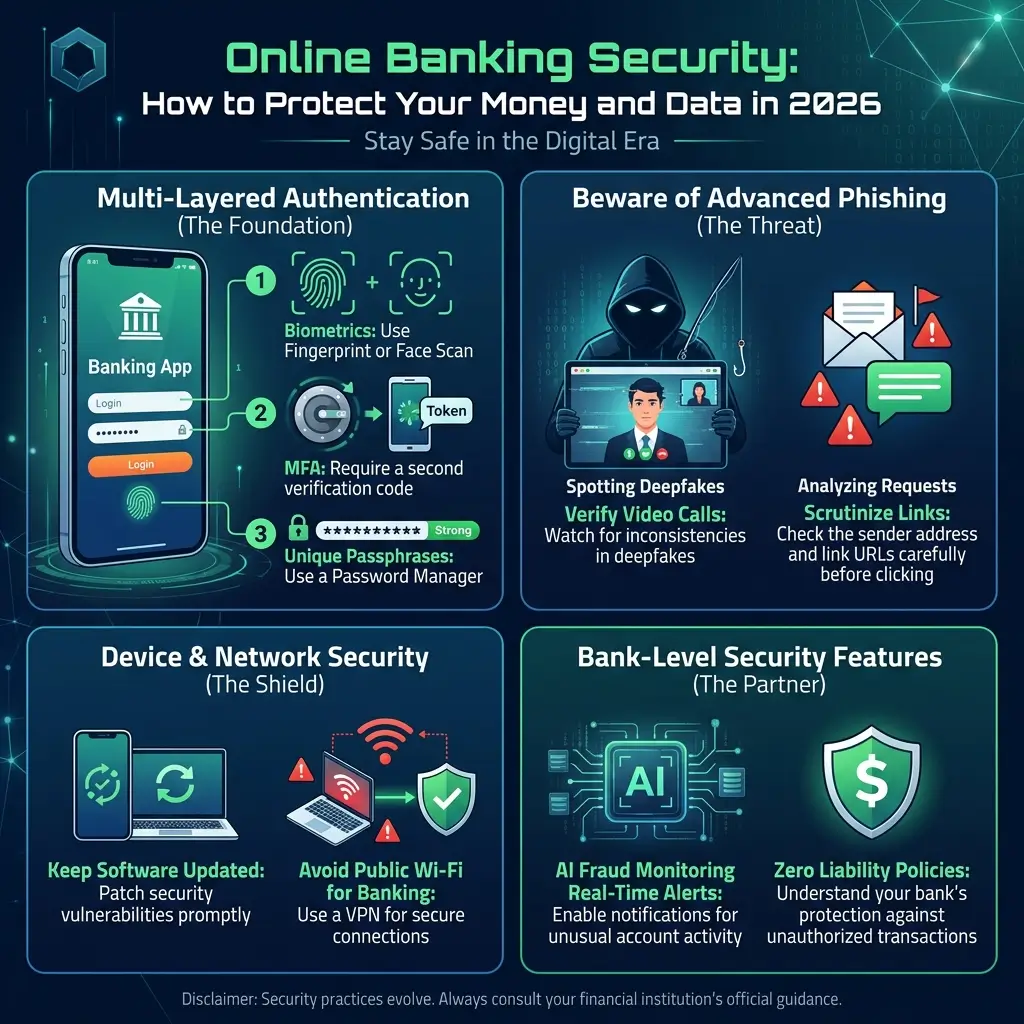
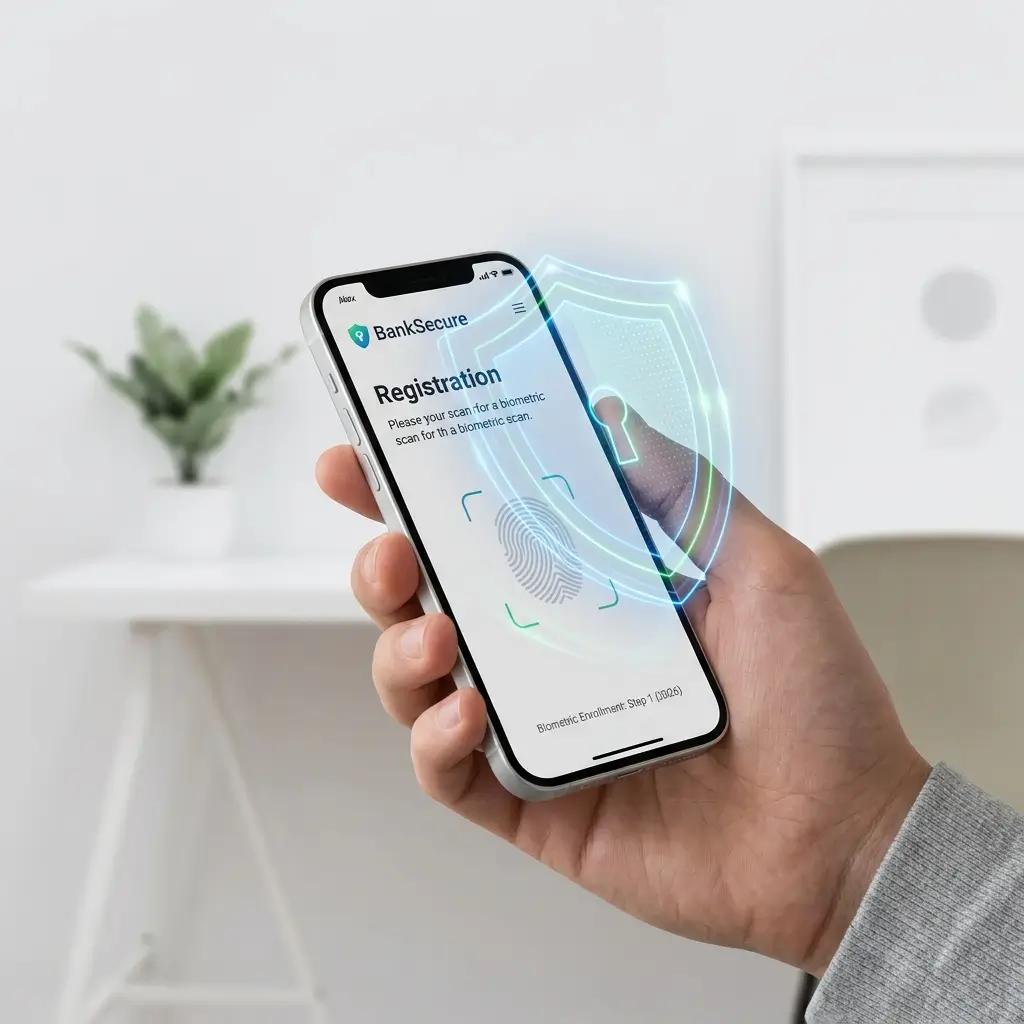
5. Biometric Banking Security

Traditional passwords are slowly being replaced by biometric authentication.

Banks increasingly use:

  • Fingerprint scanning
  • Facial recognition
  • Voice authentication
  • Behavioral biometrics

Biometric systems improve both convenience and security.

Instead of remembering passwords, users can access accounts using physical identity verification.


6. Open Banking Expansion

Open banking allows financial data to be shared securely between banks and approved third-party apps.

This creates a more connected financial ecosystem.


Benefits of Open Banking

Users can:

  • View all accounts in one app
  • Track spending across institutions
  • Access personalized financial tools
  • Connect investment platforms easily

Open banking encourages innovation and better financial transparency.


7. Embedded Finance

Financial services are increasingly integrated into non-financial apps.

This trend is known as embedded finance.


Examples of Embedded Finance

  • Shopping apps offering installment payments
  • Ride-sharing apps with digital wallets
  • Ecommerce platforms providing loans
  • Social apps supporting money transfers

Banking is becoming invisible and integrated into everyday digital experiences.


8. Cryptocurrency Integration

Some financial institutions are now integrating cryptocurrency services.

Although adoption varies by country, crypto-related banking features continue growing.


Common Crypto Banking Features

  • Crypto wallets
  • Bitcoin rewards
  • Digital asset storage
  • Crypto trading access
  • Blockchain payment support

Some fintech banks now combine traditional banking with digital assets.


9. Real-Time Financial Analytics

Modern banking apps provide instant financial insights.

Users can now monitor:

  • Spending categories
  • Savings goals
  • Investment performance
  • Subscription costs
  • Monthly trends

This gives consumers better control over their money.


10. Sustainable and Green Banking

Environmental sustainability is becoming a major focus in finance.

Banks are introducing eco-friendly initiatives such as:

  • Paperless banking
  • Green investment funds
  • Carbon footprint tracking
  • Sustainable lending programs

Consumers increasingly prefer environmentally responsible financial services.


How Digital Banking Trends Affect Users

Digital banking is changing how people interact with money every day.


1. Better Financial Control

Users can track spending, savings, and investments instantly from their phones.

This improves financial awareness.


2. Faster Transactions

Payments and transfers now happen in real time.

Waiting several business days is becoming less common.


3. Smarter Financial Decisions

AI-powered insights help users:

  • Budget better
  • Save automatically
  • Reduce unnecessary spending

4. Lower Banking Costs

Digital systems reduce operational costs for banks.

In many cases, this results in:

  • Lower fees
  • Better interest rates
  • Free banking services

Benefits of Digital Banking in 2026

Digital banking offers several major advantages.


1. Convenience

Users can manage finances anytime and anywhere.


2. Speed

Transactions happen much faster than traditional systems.


3. Personalization

Banking apps increasingly adapt to individual behavior and financial goals.


4. Enhanced Security

Advanced fraud detection and biometrics improve protection.


5. Better User Experience

Modern apps are designed for simplicity and ease of use.


Challenges and Risks of Digital Banking

Despite its advantages, digital banking also creates challenges.


1. Cybersecurity Threats

More digital systems create more potential targets for hackers.

Banks must constantly improve security systems.


2. Data Privacy Concerns

Financial platforms collect large amounts of personal data.

Users increasingly worry about:

  • Data misuse
  • Tracking
  • Privacy breaches

3. Dependence on Technology

Digital banking relies heavily on:

  • Internet access
  • Smartphones
  • Cloud systems

Technical outages can disrupt services.


4. Digital Fraud and Scams

Online scams continue evolving.

Users must remain cautious about:

  • Phishing attacks
  • Fake banking apps
  • Fraudulent links
  • Social engineering scams

Traditional Banking vs Digital Banking in 2026

FeatureTraditional BankingDigital Banking
AccessBranch-basedFully online
AvailabilityLimited hours24/7
SpeedSlowerInstant
InnovationModerateHigh
FeesOften higherOften lower
User ExperienceBasicPersonalized
Global AccessLimitedStrong

Digital banking clearly dominates in speed and convenience.


The Future of Digital Banking

The financial industry is moving toward a more intelligent and connected future.

Major future trends likely include:


Fully AI-Driven Financial Ecosystems

AI may eventually handle:

  • Budgeting
  • Investing
  • Savings optimization
  • Fraud prevention
  • Financial planning

with minimal manual input.


Cashless Societies

Many countries are steadily reducing cash usage.

Digital payments continue replacing physical currency.


Integrated Financial Platforms

Future apps may combine:

  • Banking
  • Investments
  • Insurance
  • Lending
  • Payments
  • Financial planning

into one unified ecosystem.


Global Real-Time Banking Networks

Cross-border transfers may eventually become instant and nearly free worldwide.


Who Benefits Most From Digital Banking?

Digital banking provides advantages for many groups.


Individuals

Consumers gain convenience, speed, and better financial tools.


Freelancers and Remote Workers

Global payments and multi-currency support are especially valuable.


Businesses

Companies benefit from:

  • Faster transactions
  • Automation
  • Better analytics
  • Lower operational costs

Investors

Modern apps provide easier access to investment tools and market insights.


How to Prepare for the Future of Banking

Digital finance is evolving rapidly, and users should adapt.


1. Learn Digital Banking Tools

Understanding fintech apps and digital banking platforms is increasingly important.


2. Use AI-Based Financial Tools

Modern finance apps can help improve budgeting and savings habits.


3. Prioritize Security

Protect your financial accounts by using:

  • Strong passwords
  • Two-factor authentication
  • Secure devices

4. Stay Updated on Financial Technology Trends

Banking technology changes quickly.

Following industry trends helps users make smarter financial decisions.


Why Digital Banking Trends Matter for SEO and Financial Content

Digital banking is one of the fastest-growing financial content categories online.

This topic attracts:

  • Finance audiences
  • Tech readers
  • Investors
  • Fintech users
  • Businesses
  • Digital entrepreneurs

It also supports:

  • Topical authority
  • High search demand
  • Long-term content relevance
  • Future-focused financial keywords

As digital finance expands, demand for educational content in this space will continue growing.


Frequently Asked Questions (FAQs)

Q1: What is digital banking?

Digital banking refers to financial services provided through online platforms and mobile apps instead of physical branches.


Q2: What are neobanks?

Neobanks are digital-only banks that operate entirely online without traditional branches.


Q3: Is digital banking safe?

Yes, modern digital banking platforms use advanced security systems, although users should still follow strong cybersecurity practices.


Q4: How is AI used in banking?

AI helps with fraud detection, spending analysis, customer support, budgeting, and personalized financial advice.


Q5: Will traditional banks disappear?

Traditional banks are unlikely to disappear completely, but many are rapidly transforming into digital-first institutions.


Q6: What is the future of banking?

The future of banking is expected to be AI-driven, automated, highly personalized, and globally connected.


Final Thoughts: The Future of Finance Is Intelligent, Fast, and Digital

Digital banking in 2026 is no longer just about convenience. It is transforming the entire financial experience.

Artificial intelligence, automation, open banking, real-time payments, and digital-only financial platforms are reshaping how people manage money around the world.

Consumers now expect:

  • Instant access
  • Personalized services
  • Better security
  • Lower fees
  • Smarter financial tools

The future of finance is moving toward intelligent financial ecosystems where banking becomes faster, more predictive, and deeply integrated into daily life.

For users and businesses alike, adapting to these changes will be essential.

The banks of the future will not simply store money — they will actively help people manage, grow, and optimize their financial lives in real time.