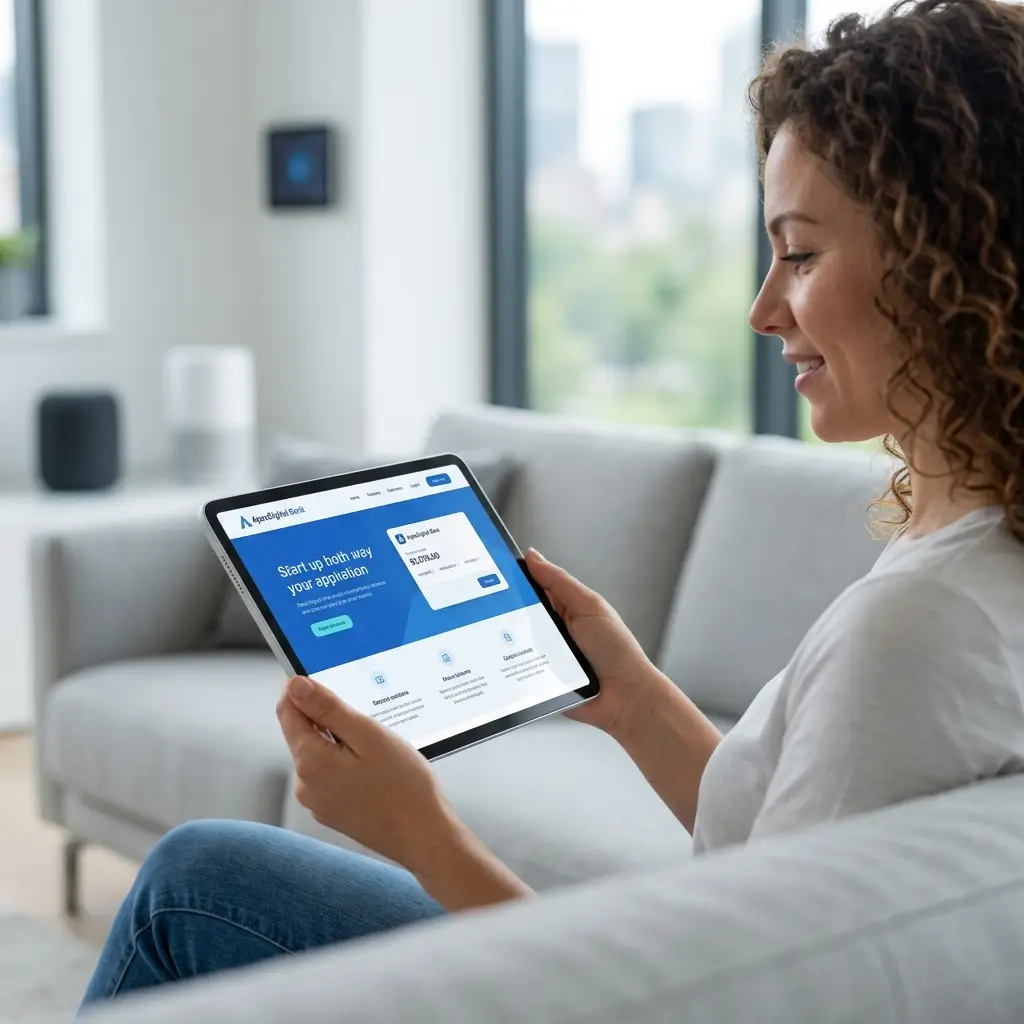

Online banking has completely changed the financial world. What once required long branch visits, paperwork, and waiting times can now be done in minutes directly from your phone or laptop.
In 2026, online bank accounts are no longer just a convenient alternative to traditional banking — for millions of people, they are the primary way to manage money.
From high-yield savings accounts and cashback checking accounts to business banking platforms and digital-only neobanks, consumers now have more options than ever before.
But with hundreds of online banks competing globally, choosing the right account can feel overwhelming.
Some banks focus on:
- Low fees
- Better interest rates
- International payments
- AI-powered budgeting tools
- Crypto integration
- Business banking
- Multi-currency accounts
Others prioritize speed, mobile apps, customer experience, and automation.
This complete guide explains everything you need to know about the best online bank accounts in 2026, including:
- How online bank accounts work
- Different types of digital accounts
- Key features to compare
- Pros and cons of online banks
- Best account categories for different users
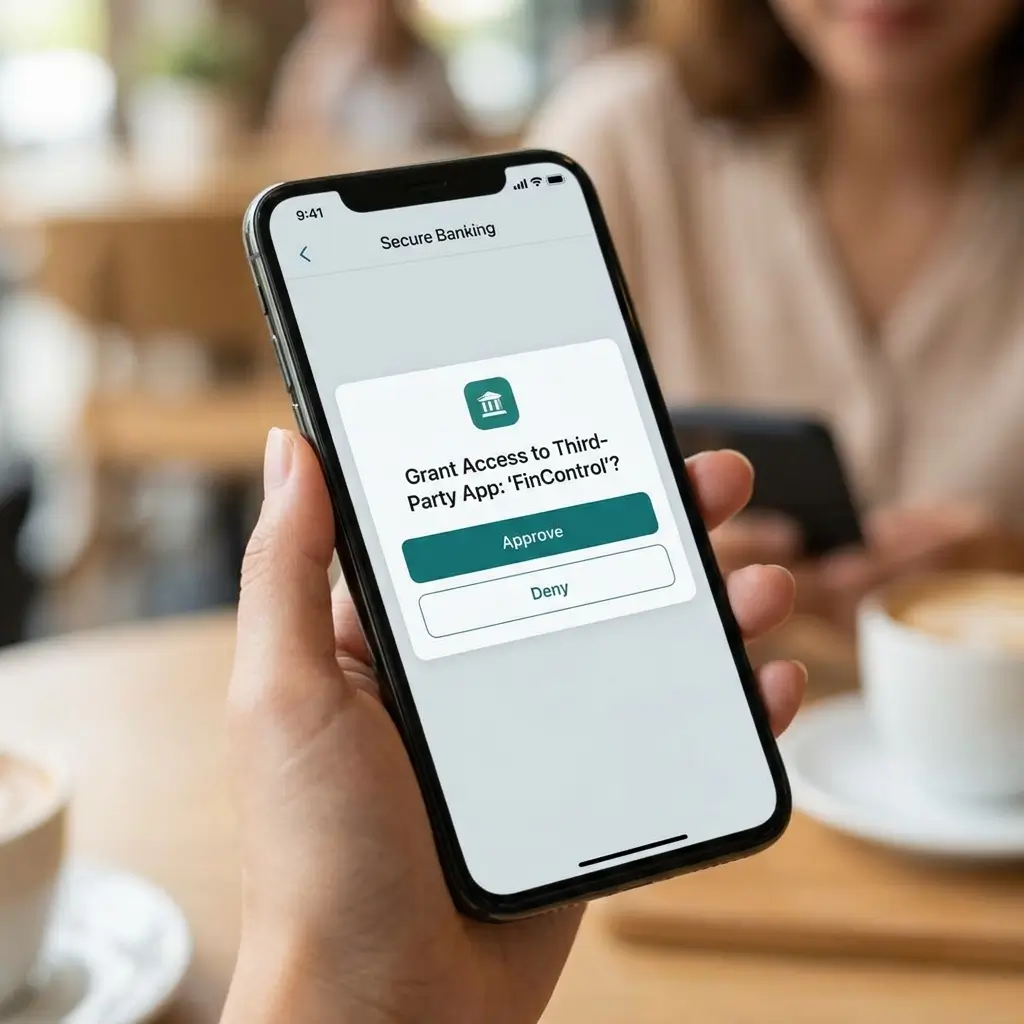
- Security considerations
- Smart strategies for choosing the right provider
Whether you are a student, freelancer, remote worker, entrepreneur, investor, or everyday banking user, this guide will help you find the best online banking solution for your financial needs.
What Is an Online Bank Account?
An online bank account is a financial account that can be opened, managed, and used entirely through digital platforms.
Users access these accounts through:
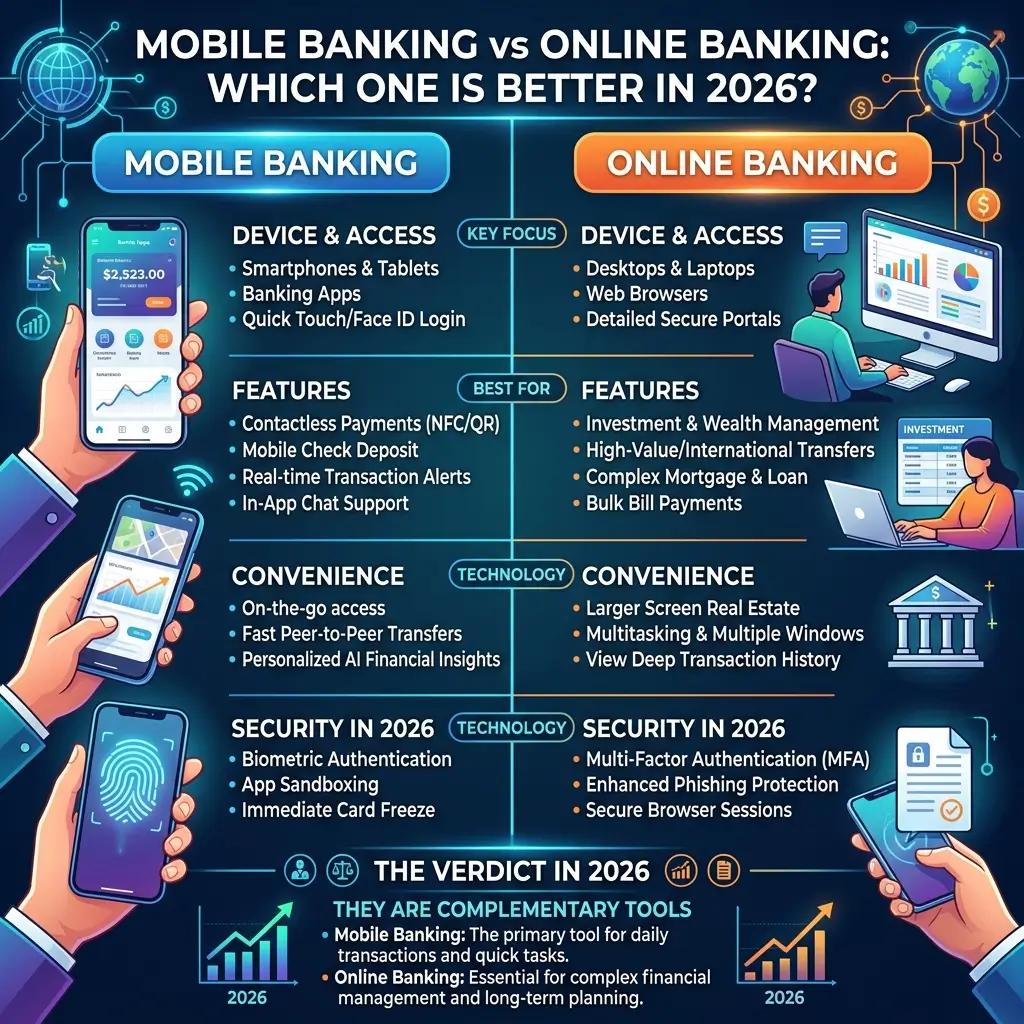
- Mobile banking apps
- Online banking websites
- Internet banking dashboards
- Digital financial platforms
Unlike traditional banks, many online banks operate without physical branches.
This allows them to reduce operating costs and offer:
- Lower fees
- Better interest rates
- Faster services
- Modern financial tools
- Improved user experiences
Online banking has become one of the fastest-growing sectors in global finance.
Why Online Bank Accounts Are So Popular in 2026
Digital banking continues growing rapidly because consumers now prioritize:
- Convenience
- Speed
- Accessibility
- Automation
- Lower banking costs
Modern users expect instant financial access from anywhere in the world.
1. Lower Banking Fees
Traditional banks often charge:
- Monthly maintenance fees
- ATM fees
- Overdraft fees
- Transfer fees
Many online banks reduce or eliminate these costs entirely.
Some offer:
- No monthly fees
- Free transfers
- No minimum balance requirements
- Free digital cards
Lower overhead costs allow digital banks to compete aggressively.
2. Better Interest Rates
Online banks frequently provide higher annual percentage yields (APY) compared to traditional banks.
This is especially true for:
- Online savings accounts
- High-yield savings accounts
- Cash management accounts
Better interest rates help users grow their savings faster.
3. Faster Account Opening
Many online banks allow users to:
- Open accounts in minutes
- Verify identity digitally
- Upload documents remotely
- Receive instant approval
Traditional paperwork and branch visits are no longer necessary.
4. 24/7 Access
Online banking allows users to manage finances anytime and anywhere.
Users can:
- Transfer funds instantly
- Monitor spending
- Freeze cards
- Receive alerts
- Pay bills
- Access customer support
This level of accessibility is one of the biggest reasons digital banking is growing globally.
5. Smarter Financial Tools
Modern online banking apps now include:
- Budget tracking
- Spending insights
- AI-powered recommendations
- Subscription monitoring
- Savings automation
- Financial analytics
Digital banking is becoming increasingly intelligent and personalized.
Types of Online Bank Accounts
Different account types serve different financial needs.
Understanding these categories helps users choose the right option.
1. Online Checking Accounts
Checking accounts, also called current accounts in some countries, are designed for daily transactions.
They are commonly used for:
- Salary deposits
- Debit card spending
- Bill payments
- Everyday banking
- ATM withdrawals
These accounts prioritize accessibility and convenience.
2. Online Savings Accounts
Savings accounts are designed to help users store money and earn interest.
High-yield online savings accounts are especially popular because they often offer:
- Better APY
- Lower fees
- Easy transfers
These accounts are ideal for:
- Emergency funds
- Long-term savings
- Passive income growth
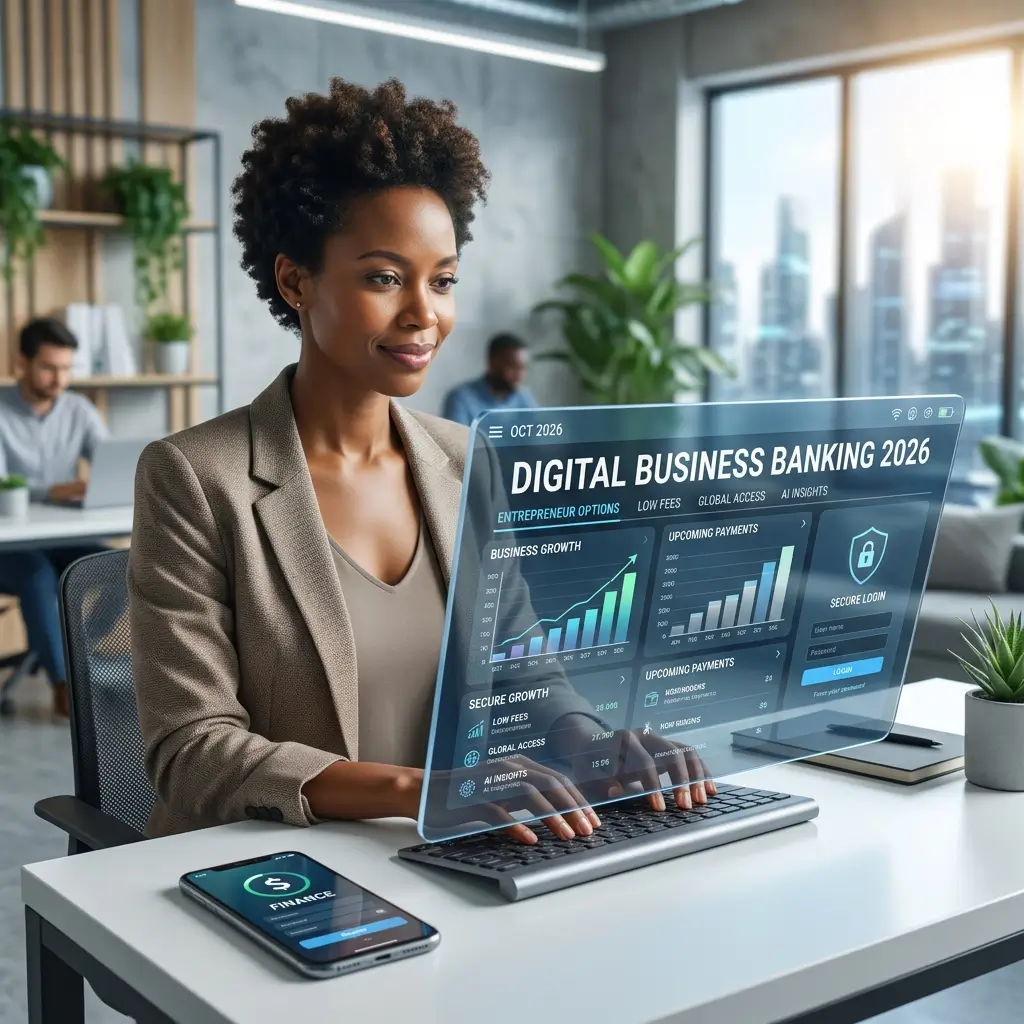
3. Business Bank Accounts
Online business banking accounts are designed for:
- Entrepreneurs
- Freelancers
- Startups
- Ecommerce sellers
- Companies
Business accounts often include:
- Expense tracking
- Invoice tools
- Payment integrations
- Team access
- Financial reporting
4. Multi-Currency Accounts
These accounts support multiple currencies within one platform.
They are useful for:
- Freelancers
- Digital nomads
- International businesses
- Remote workers
- Global travelers
Multi-currency banking reduces international transfer costs.
5. Neobank Accounts
Neobanks are fully digital financial institutions without physical branches.
They focus heavily on:
- Mobile-first experiences
- Fast onboarding
- Modern interfaces
- Smart financial automation
Neobanks are especially popular among younger users.
What Makes the Best Online Bank Account?
The best online bank account depends on your financial goals and lifestyle.
Instead of focusing only on brand names, smart users compare features carefully.
1. Fees
Always review the fee structure.
Look for:
- No monthly maintenance fees
- Free ATM withdrawals
- Low transfer charges
- No hidden fees
Even small recurring charges can reduce long-term value.
2. Interest Rates
Higher APY means more earnings on your savings.
This matters especially for:
- Emergency funds
- Large balances
- Long-term savings goals
Interest rates are one of the biggest advantages online banks have over traditional institutions.
3. Mobile App Quality
A strong mobile banking app should offer:
- Fast performance
- Clean design
- Real-time notifications
- Secure login
- Easy navigation
User experience matters more than many people realize.
4. Security Features
Security should always be a top priority.
The best online banks include:
- Two-factor authentication
- Encryption
- Fraud monitoring
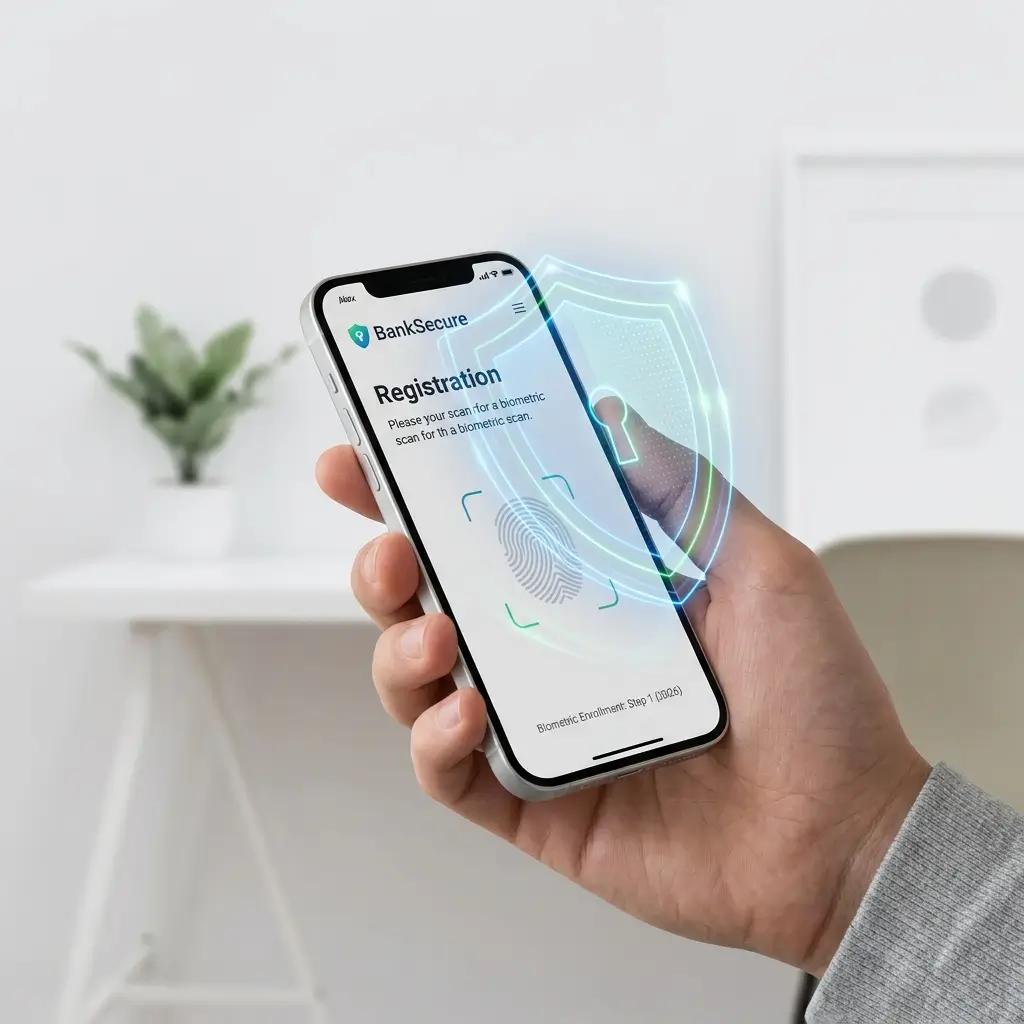
- Biometric login
- Real-time alerts
Strong security protects both your money and personal data.
5. Customer Support
Good support becomes critical when problems occur.
Look for banks offering:
- 24/7 customer service
- Live chat
- Fast response times
- Multiple support channels
Best Online Bank Account Categories in 2026
Different users need different types of accounts.
Here are the most popular categories globally.
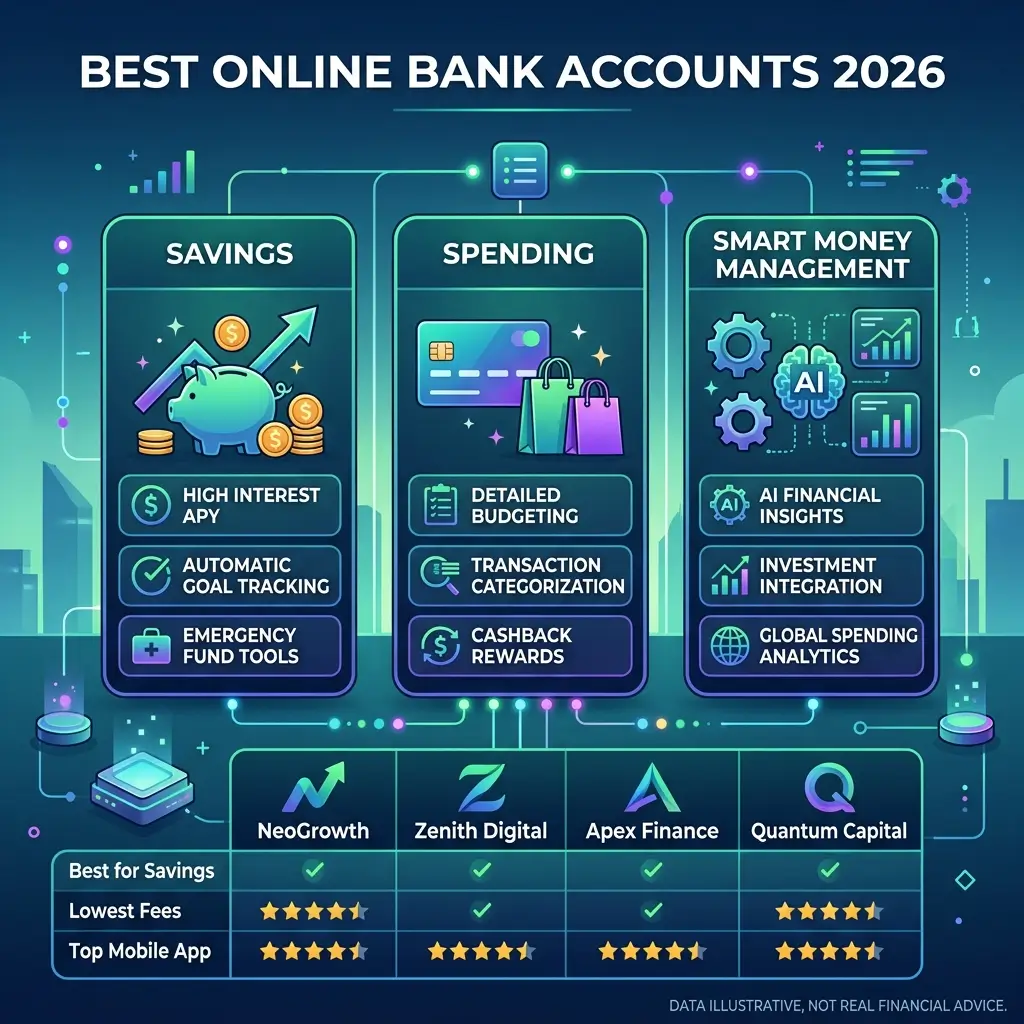
Best for High-Yield Savings
These accounts focus on helping users grow savings faster.
Common features include:
- High APY
- No monthly fees
- Easy online transfers
- Savings automation
Best for:
- Long-term savers
- Passive income seekers
- Emergency funds
Best for Everyday Banking
These accounts prioritize:
- Fast payments
- Debit card usage
- Salary deposits
- Daily spending
Best for:
- Students
- Employees
- Everyday users
Best for International Banking
International online accounts typically include:
- Multi-currency support
- Low foreign exchange fees
- Fast global transfers
- International debit cards
Best for:
- Remote workers
- Freelancers
- Digital nomads
- International businesses
Best for Business Banking
Business banking platforms often include:
- Invoice management
- Expense tracking
- Team permissions
- Accounting integrations
- Tax support tools
Best for:
- Startups
- Entrepreneurs
- Agencies
- Ecommerce businesses
Best Neobanks
Digital-only banks continue growing rapidly.
Their strengths usually include:
- Instant onboarding
- Smart mobile apps
- Modern interfaces
- Real-time analytics
- Lower fees
Best for:
- Tech-savvy users
- Younger consumers
- Mobile-first banking users
How to Compare Online Bank Accounts
Comparing accounts properly helps avoid costly mistakes.
Use this checklist.
Compare These Features
Interest Rates
Check:
- APY
- Savings returns
- Promotional rates
Banking Fees
Review:
- Monthly fees
- ATM fees
- International fees
- Transfer charges
ATM Access
Some online banks partner with ATM networks.
Check:
- Withdrawal availability
- Fee reimbursements
- Global ATM access
International Support
Important for:
- Travelers
- Freelancers
- Remote workers
Look for:
- Multi-currency support
- Low FX fees
- Fast international transfers
Mobile App Ratings
Read user reviews carefully.
Good ratings often indicate:
- Better stability
- Faster performance
- Better support
Customer Service Quality
Fast support becomes extremely important during banking issues.
Step-by-Step: How to Choose the Best Online Bank Account
Step 1: Define Your Needs
Ask yourself:
- Do I need savings or daily spending?
- Do I travel internationally?
- Am I running a business?
- Do I need investment tools?
- Do I want budgeting features?
Your financial habits determine the best option.
Step 2: Shortlist Top Providers
Choose several reputable banks based on:
- Reviews
- Security
- Features
- Reputation
Avoid selecting based only on advertising.
Step 3: Compare Costs and Benefits
Check carefully for:
- Hidden charges
- Withdrawal limits
- Transfer fees
- Bonus offers
- Currency conversion fees
Step 4: Review Security Features
The best online banks provide:
- Encryption
- 2FA
- Biometric login
- Fraud monitoring
- Instant alerts
Security should never be ignored.
Step 5: Open Your Account Online
Most online banks allow users to:
- Submit applications digitally
- Upload identification
- Complete verification remotely
Approval can happen within minutes or hours.
Pros and Cons of Online Bank Accounts
Like every financial product, online banking has advantages and disadvantages.
Advantages of Online Banking
Lower Costs
Digital banks often eliminate unnecessary fees.
Better Interest Rates
Savings accounts usually provide stronger returns.
Faster Access
Users can manage finances instantly from anywhere.
Smart Financial Tools
Modern apps include automation and AI-powered insights.
Better Convenience
No need for physical branch visits.
Disadvantages of Online Banking
No Physical Branches
Some users still prefer in-person support.
Limited Cash Deposits
Online banks may offer fewer cash deposit options.
Dependence on Technology
Users rely heavily on:
- Internet access
- Smartphones
- Digital systems
Technical outages may temporarily affect services.
Online Banks vs Traditional Banks
| Feature | Online Banks | Traditional Banks |
|---|---|---|
| Fees | Lower | Higher |
| Interest Rates | Higher | Lower |
| Access | 24/7 online | Limited hours |
| Setup Speed | Fast | Slower |
| Branch Visits | Usually not required | Often required |
| Innovation | High | Moderate |
Digital banking clearly leads in convenience and cost efficiency.
Best Online Banking Features in 2026
Modern online banks now compete heavily through advanced features.
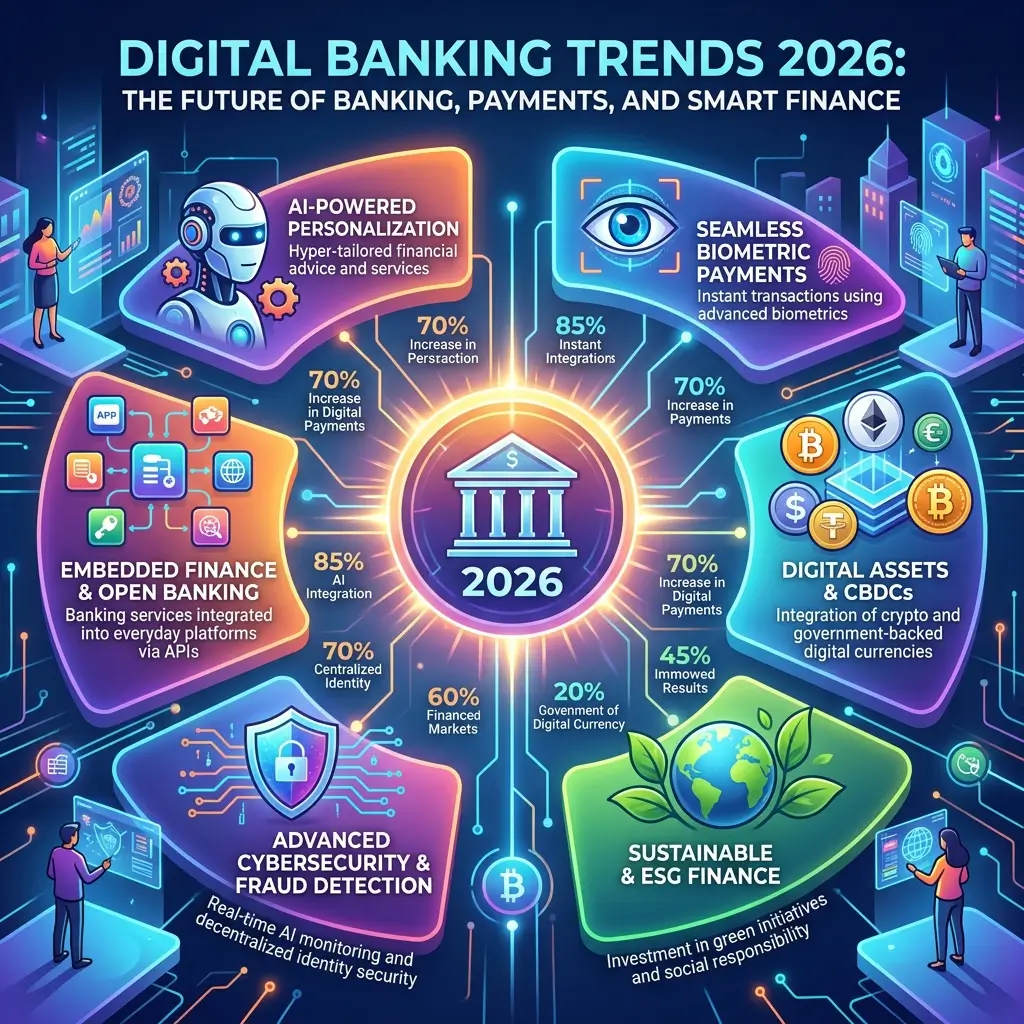
1. AI-Powered Insights
Banks increasingly use artificial intelligence to:
- Analyze spending
- Predict savings opportunities
- Track subscriptions
- Improve budgeting
2. Real-Time Notifications
Users receive instant alerts for:
- Transactions
- Login attempts
- Spending activity
- Fraud warnings
3. Budgeting Tools
Many apps automatically categorize expenses and track financial goals.
4. Multi-Currency Support
Global users increasingly demand accounts supporting multiple currencies.
5. Financial App Integrations
Modern online banks connect easily with:
- Accounting software
- Payment gateways
- Investment apps
- Digital wallets
Common Mistakes to Avoid
Many users choose the wrong online bank because they ignore important details.
1. Ignoring Fees
Always review the full fee structure carefully.
2. Choosing Based Only on Advertising
Marketing does not always reflect real service quality.
Research thoroughly.
3. Ignoring User Reviews
Customer experiences often reveal hidden problems.
4. Overlooking Security
Strong security systems are essential.
Never sacrifice safety for convenience.
Is Online Banking Safe?
Yes, reputable online banks are generally very secure.
Modern banks use:
- Encryption
- Secure servers
- Fraud detection
- AI monitoring
- Biometric authentication
However, users should still follow safe banking habits.
Online Banking Safety Tips
- Use strong passwords
- Enable two-factor authentication
- Avoid public Wi-Fi
- Monitor transactions regularly
- Download only official banking apps
- Keep devices updated
Good security habits reduce financial risk significantly.
Who Should Use Online Bank Accounts?
Online banking works especially well for:
- Students
- Freelancers
- Remote workers
- Entrepreneurs
- Digital nomads
- Ecommerce sellers
- International travelers
Digital-first users benefit the most from online banking systems.
Why “Best Online Bank Accounts” Is a High-Value SEO Topic
This keyword category has:
- High global search demand
- Strong commercial intent
- Excellent monetization potential
It attracts advertisers from:
- Banks
- Fintech companies
- Credit cards
- Investment platforms
- Insurance providers
Even moderate CPC combined with large search volume creates strong revenue opportunities.
How to Maximize the Benefits of Online Banking
Smart users optimize digital banking strategically.
Use Multiple Accounts
Many people separate accounts for:
- Savings
- Spending
- Business
- Emergency funds
This improves financial organization.
Automate Savings
Automatic transfers help users build savings consistently.
Take Advantage of Bonuses
Some banks offer:
- Sign-up bonuses
- Cashback rewards
- Referral incentives
Monitor Spending Regularly
Real-time tracking improves budgeting and financial awareness.
Frequently Asked Questions
Which online bank is best in 2026?
The best online bank depends on your needs, including savings goals, international usage, business features, and fee preferences.
Are online banks better than traditional banks?
For many users, yes. Online banks often provide lower fees, better interest rates, and faster digital services.
Can I open multiple online bank accounts?
Yes, many users maintain several accounts for different financial purposes.
Do online banks provide debit cards?
Most online banks offer both virtual and physical debit cards.
Are online bank accounts safe?
Yes, reputable banks use strong encryption, fraud monitoring, and secure authentication systems.
Can freelancers use online banks?
Absolutely. Many online banks are designed specifically for freelancers and remote workers.
Final Thoughts: The Future of Banking Is Digital
Online bank accounts are becoming the foundation of modern personal finance.
They offer:
- Faster banking
- Lower costs
- Better user experiences
- Smarter financial tools
- Global accessibility
- Higher savings potential
In 2026, consumers no longer choose banks based only on branch locations. They choose banks based on convenience, technology, security, automation, and financial value.
The best online bank account is not necessarily the one with the biggest advertising campaign — it is the one that matches your financial lifestyle and long-term goals.
By comparing features carefully, understanding your needs, and prioritizing security, you can choose an online banking solution that helps you manage money more efficiently and build a stronger financial future.