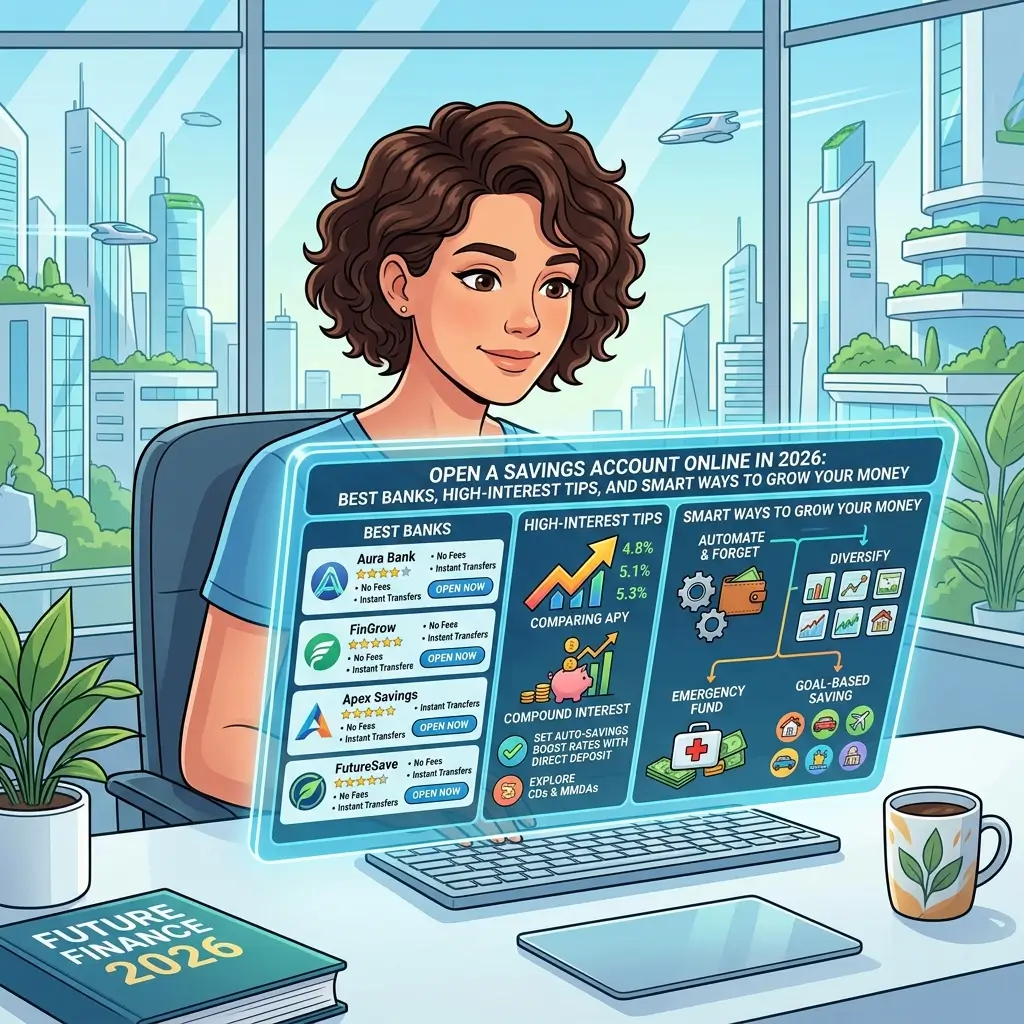

Saving money is one of the most important financial habits you can build — and in 2026, opening a savings account online has become easier, faster, and more rewarding than ever before.
You no longer need to stand in long bank queues, fill out stacks of paperwork, or wait days for approval. Today, you can open a savings account directly from your smartphone or laptop in just a few minutes.
But here’s the bigger opportunity:
Modern online savings accounts often offer:
- Higher interest rates
- Lower fees
- Better mobile apps
- Faster transfers
- Automated savings tools
- Smart budgeting features
Compared to many traditional banks, online savings accounts can help your money grow more efficiently over time.
The challenge is knowing which account is actually worth opening.
Some banks advertise “high interest” but hide fees. Others offer attractive promotions but poor customer support. Many users choose the wrong savings account simply because they do not compare important features properly.
This complete 2026 guide explains everything you need to know, including:
- How online savings accounts work
- Different types of savings accounts
- How to open an account online
- Best features to compare
- High-interest savings strategies
- Common mistakes to avoid
- Online banking security tips
- How to maximize your returns safely
Whether you are a student, freelancer, business owner, remote worker, or beginner saver, this guide will help you choose the right online savings account and build smarter financial habits.
What Is an Online Savings Account?
An online savings account is a bank account designed to help you store money securely while earning interest on your balance.
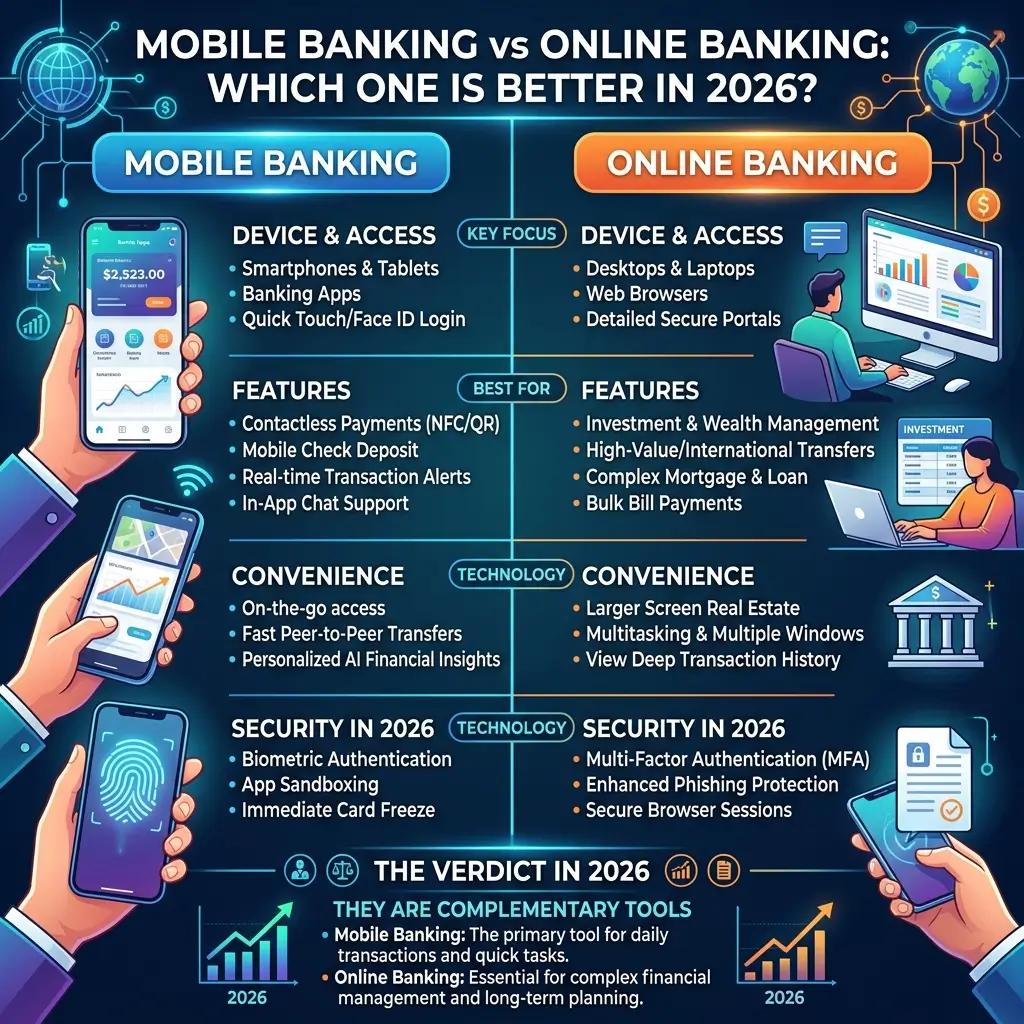
Unlike traditional savings accounts that rely heavily on physical branches, online savings accounts are managed digitally through:
- Mobile banking apps
- Internet banking platforms
- Bank websites
- Digital financial dashboards
Users can:
- Deposit money
- Transfer funds
- Track savings
- Earn interest
- Manage accounts remotely
Everything happens online.
Because digital banks have lower operational costs, they often provide:
- Better interest rates
- Lower fees
- Faster services
- More advanced financial tools
This is one reason online banking continues growing rapidly worldwide.
Why Open a Savings Account Online?
Opening an online savings account offers several important advantages.
1. Higher Interest Rates
One of the biggest benefits is better returns.
Many online banks offer high-yield savings accounts with significantly better APY (Annual Percentage Yield) compared to traditional banks.
Even a small difference in interest rate can make a major impact over time.
Example
- Traditional savings account → 0.5% APY
- High-yield online account → 4% APY
Over several years, the difference becomes substantial.
2. Fast and Easy Account Setup
Opening a traditional bank account may require:
- Branch visits
- Manual paperwork
- Long waiting periods
Online savings accounts simplify the process.
Most banks allow users to:
- Apply digitally
- Upload documents online
- Verify identity remotely
- Receive approval quickly
Some accounts can be opened in less than 15 minutes.
3. Lower Banking Fees
Many online savings accounts offer:
- No monthly maintenance fees
- No minimum balance fees
- Free transfers
- Lower transaction charges
This helps users keep more of their money.
4. 24/7 Account Access
You can manage your savings anytime through:
- Mobile apps
- Banking websites
- Digital dashboards
There is no need to wait for branch opening hours.
5. Automated Savings Features
Modern savings platforms increasingly include tools such as:
- Automatic transfers
- Savings goals
- AI-based budgeting
- Spending analysis
- Smart notifications
These features help users save consistently.
Types of Online Savings Accounts
Not all savings accounts work the same way.
Understanding different account types helps you choose the best option for your financial goals.
1. Regular Savings Accounts
These are standard savings accounts with:
- Basic interest rates
- Flexible access
- Easy withdrawals
They work well for general savings and emergency funds.
2. High-Yield Savings Accounts
High-yield accounts offer higher APY than traditional savings accounts.
They are ideal for:
- Long-term saving
- Growing idle cash
- Emergency funds
- Passive earnings
These accounts are increasingly popular in 2026.
3. Fixed or Term Savings Accounts
These accounts lock your money for a specific period.
In exchange, banks usually offer:
- Higher returns
- Guaranteed rates
However, early withdrawals may trigger penalties.
4. Goal-Based Savings Accounts
These accounts help users save toward specific goals such as:
- Travel
- Education
- Emergency funds
- Home purchase
Some apps track progress automatically.
Best Online Savings Accounts in 2026: What to Look For
The “best” savings account depends on your goals and financial habits.
Instead of focusing only on brand names, smart users compare features carefully.
1. Interest Rate (APY)
Always compare APY.
Higher APY means your savings grow faster.
Even a 1–2% difference can become significant over time.
2. Fees
Some accounts charge hidden fees that reduce your earnings.
Watch for:
- Monthly maintenance fees
- Withdrawal penalties
- Transfer fees
- Dormancy fees
The best online savings accounts usually keep fees low or eliminate them completely.
3. Minimum Balance Requirements
Some banks require minimum balances to:
- Avoid fees
- Earn full interest
- Keep the account active
Choose accounts that match your financial situation.
4. Ease of Use
A good banking experience matters.
Look for:
- Fast mobile apps
- Clean user interfaces
- Easy transfers
- Responsive customer support
User-friendly apps make saving easier.
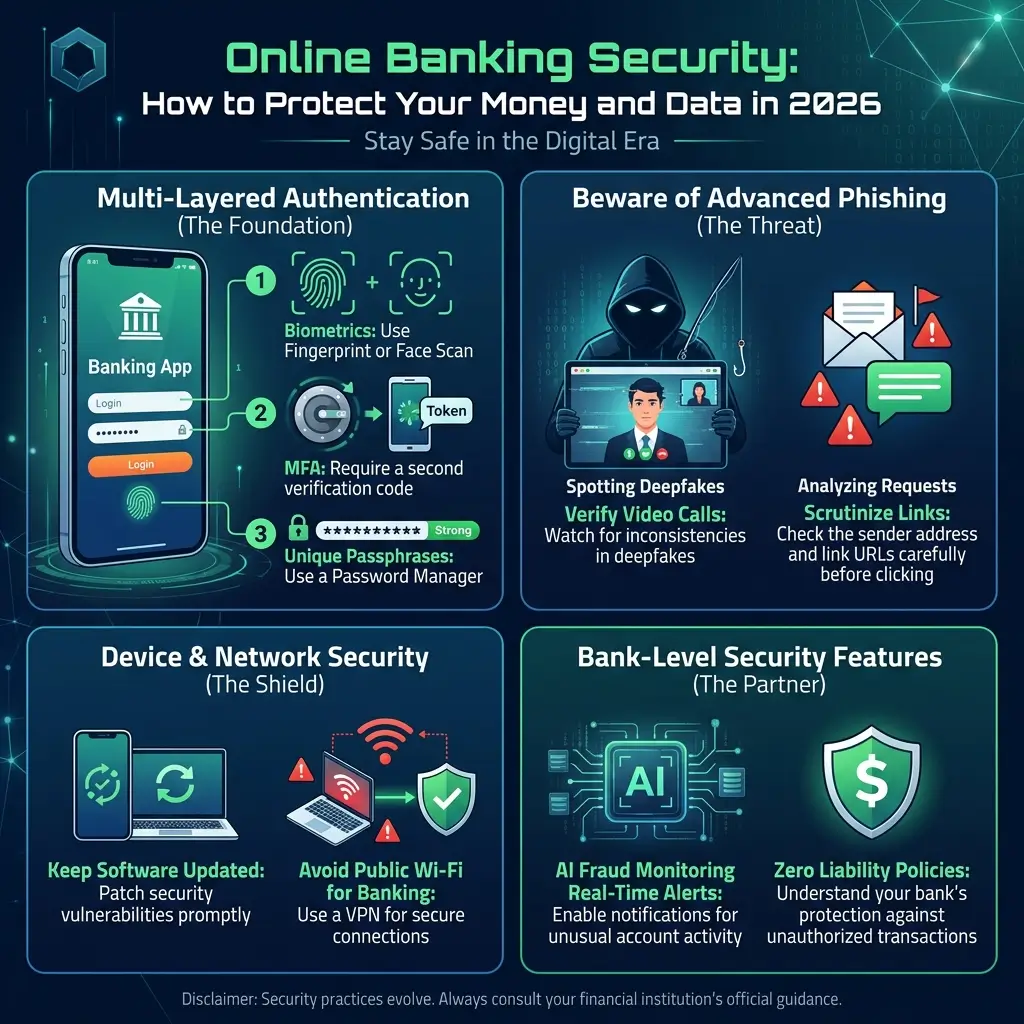
5. Security Features
Security should always be a top priority.
The best banks provide:
- Two-factor authentication
- Encryption
- Fraud monitoring
- Biometric login
- Real-time alerts
Strong security protects your savings and personal information.
Step-by-Step: How to Open a Savings Account Online
Opening a savings account online is now very simple.
Here is the typical process.
Step 1: Choose the Right Bank
Compare banks based on:
- Interest rates
- Fees
- Customer reviews
- Security
- Accessibility
- International support
Digital-first banks often offer stronger savings features.
Step 2: Visit the Official Website or App
Go directly to the bank’s official platform.
Look for buttons such as:
- “Open Account”
- “Apply Now”
- “Start Saving”
Always avoid unofficial links or suspicious advertisements.
Step 3: Enter Personal Information
Most banks require:
- Full name
- Address
- Date of birth
- Phone number
- Email address
Your information must match your identification documents.
Step 4: Upload Documents
Banks usually request:
- Government-issued ID
- Passport
- Driver’s license
- Proof of address
Some may also require:
- Tax information
- Income verification
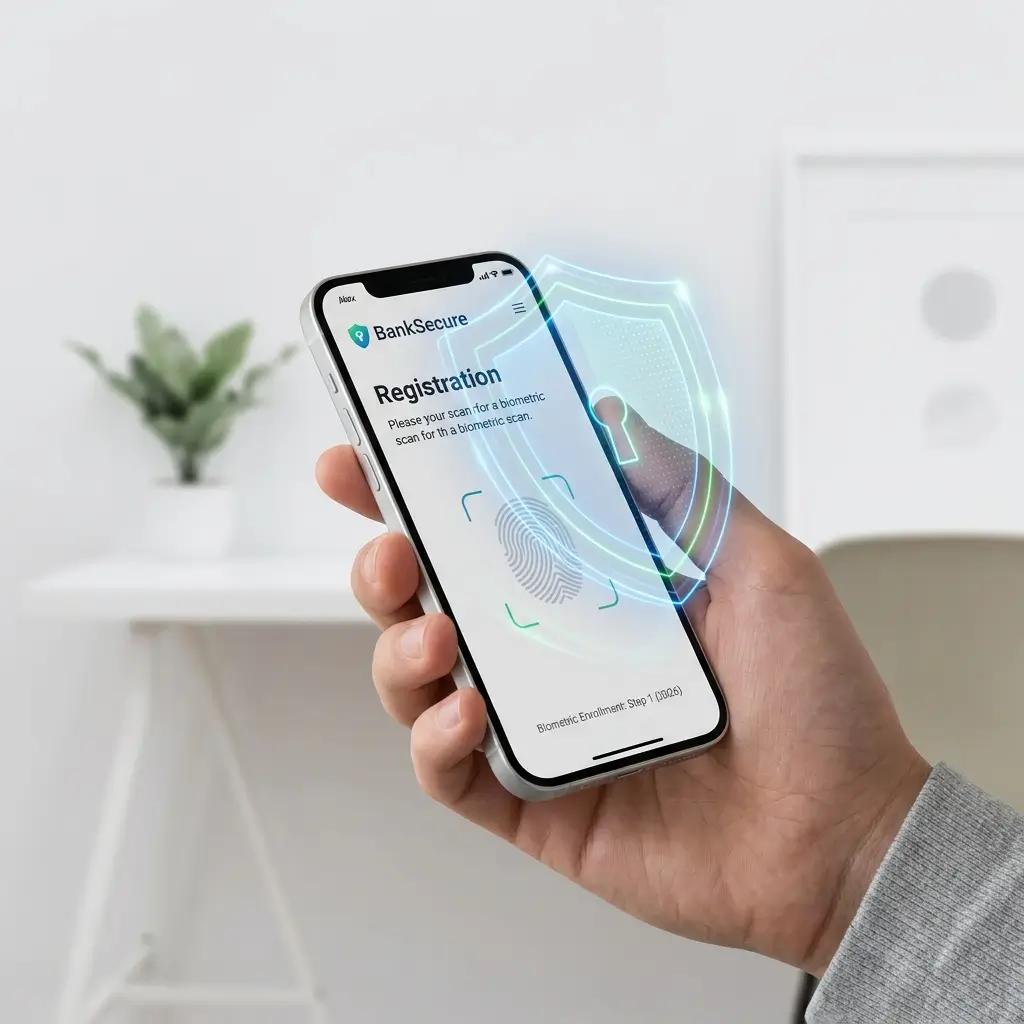
Step 5: Complete Identity Verification
Banks now use digital KYC (Know Your Customer) systems.
Verification methods may include:
- OTP confirmation
- Selfie verification
- Video verification
- Facial recognition
This step improves security and prevents fraud.
Step 6: Fund Your Account
You may fund your account using:
- Bank transfer
- Debit card
- Credit card
- Mobile wallet
Some accounts require minimum opening deposits.
Others allow zero-balance setup.
Step 7: Start Saving
Once approved, you can:
- Access your dashboard
- Monitor savings
- Transfer money
- Set savings goals
- Earn interest immediately
Your account becomes fully operational.
High-Interest Savings Tips: How to Maximize Your Returns
Opening an account is only the beginning.
The real goal is growing your money efficiently.
1. Choose High-Yield Accounts
Always compare APY before opening an account.
Higher-yield accounts generate stronger long-term growth.
2. Avoid Frequent Withdrawals
Some banks reduce interest earnings if you withdraw money too often.
Keeping savings untouched helps maximize returns.
3. Automate Monthly Deposits
Automation helps users save consistently.
Set automatic transfers from:
- Salary accounts
- Business income
- Main checking accounts
Consistency is one of the most effective saving strategies.
4. Take Advantage of Bonuses
Some banks offer:
- Sign-up bonuses
- Referral rewards
- Promotional APY rates
These bonuses can improve overall returns.
5. Maintain Higher Balances
The more money you keep in your account, the more interest you earn.
Compound growth becomes increasingly powerful over time.
Online Savings Accounts vs Traditional Savings Accounts
| Feature | Online Savings Accounts | Traditional Savings Accounts |
|---|---|---|
| Interest Rates | Higher | Lower |
| Fees | Lower | Often higher |
| Accessibility | 24/7 online | Branch-based |
| Setup Speed | Fast | Slower |
| Branch Visits | Usually unnecessary | Often required |
Digital banking clearly offers major convenience advantages.
Is It Safe to Open a Savings Account Online?
Yes — reputable online banks are generally very secure.
Modern financial institutions use advanced technologies such as:
- Encryption
- Secure servers
- AI fraud detection
- Biometric authentication
- Real-time monitoring
However, users should still follow good security practices.
Online Banking Safety Tips
Protect your savings by:
- Using strong passwords
- Enabling two-factor authentication
- Avoiding public Wi-Fi
- Monitoring transactions regularly
- Downloading only official banking apps
- Keeping devices updated
Safe banking habits reduce financial risk significantly.
Common Mistakes to Avoid
Many users lose money or miss better opportunities because they ignore important details.
1. Choosing Low-Interest Accounts
Even small APY differences matter over time.
Always compare rates carefully.
2. Ignoring Fees
Hidden fees can reduce your overall earnings.
Review fee structures before opening an account.
3. Not Reading Terms Carefully
Understand:
- Withdrawal limits
- Transfer restrictions
- Interest requirements
- Penalties
4. Opening Too Many Accounts
Managing too many accounts can become confusing.
Focus on accounts that serve clear financial goals.
How Much Can You Earn With an Online Savings Account?
Your earnings depend on:
- APY
- Balance size
- Saving duration
- Deposit consistency
Example
If you deposit $5,000 into a 4% APY savings account:
A = 5000(1+0.04)^1
Your approximate yearly earnings would be around $200 before taxes.
Larger balances and long-term saving increase returns further.
Who Should Open an Online Savings Account?
Online savings accounts are ideal for:
- Students
- Freelancers
- Remote workers
- Families
- Entrepreneurs
- Digital nomads
- First-time savers
Anyone looking to build financial stability can benefit from savings automation and higher interest rates.
Can You Open an International Savings Account?
Yes, some online banks support international customers.
Availability depends on:
- Bank policies
- Country regulations
- Identity verification requirements
International digital banking continues expanding rapidly in 2026.
Why “Open Savings Account Online” Is a High-Value Financial Topic
This keyword category attracts strong commercial intent because users searching for savings accounts are often ready to take action immediately.
Banks compete aggressively for these users through:
- Sign-up bonuses
- High-yield promotions
- Cashback offers
- Referral incentives
This makes savings account content valuable for financial websites and publishers.
Pro Strategies to Grow Savings Faster
Smart savers often use advanced strategies.
Use Multiple Savings Accounts
Separate savings goals into different accounts such as:
- Emergency fund
- Travel savings
- Investment reserve
- Tax savings
This improves organization and discipline.
Combine Savings With Investments
Savings accounts are excellent for security and liquidity.
Long-term wealth building may also include:
- Index funds
- ETFs
- Retirement investments
Balanced financial planning matters.
Track Savings Progress Monthly
Monitoring progress improves motivation and financial awareness.
Reinvest Your Interest
Allowing interest to compound accelerates growth over time.
Compound interest is one of the most powerful tools in personal finance.
Frequently Asked Questions
Can I open a savings account online without visiting a branch?
Yes, most online banks now allow full digital account setup.
What is a high-yield savings account?
A high-yield savings account offers a higher APY than traditional savings accounts.
Do online savings accounts charge fees?
Many online savings accounts have low or zero monthly fees.
Is online banking safe?
Yes, reputable banks use strong encryption and security systems.
Can I withdraw money anytime?
Most regular savings accounts allow flexible withdrawals, though some may have limits.
Which savings account is best?
The best account combines:
- High APY
- Low fees
- Strong security
- Easy access
- Good customer support
Final Thoughts: Online Savings Accounts Are the Future of Smart Saving
Opening a savings account online in 2026 is one of the easiest and smartest ways to improve your financial future.
Modern online savings accounts offer:
- Better interest rates
- Lower fees
- Faster setup
- Smarter financial tools
- Greater convenience
- Full digital control
For beginners and experienced savers alike, digital banking makes saving more accessible and efficient than ever before.
The key is choosing the right account, understanding the terms, prioritizing security, and building consistent saving habits.
The sooner you start saving wisely, the more time your money has to grow.